Blocked Drain in Santana de Parnaíba? How a First-Timer Should Handle It
Blocked Drain in Santana de Parnaíba? How a First-Timer Should Handle It
You turn on the tap and the water climbs instead of draining. Or the floor drain in the laundry backs up with soapy water the moment the washing machine spins. If this is your first time dealing with a blocked line in Santana de Parnaíba, the fastest way out is to stop pouring chemicals, note where the water is rising, and call a desentupidora em Santana de Parnaíba SP before the backup reaches a floor drain you cannot see. Here is the routine I follow, step by step, when a first-time caller rings us.
First, identify which line is actually clogged
Not every backup is the same problem. Before anyone touches a machine, I ask the caller to run one tap at a time and watch which fixture reacts. A single slow sink usually means a local trap or a short branch line. Water rising in the shower, the toilet and the laundry sink together points to the main building drain. That distinction changes the tool, the time and the price.
In Santana de Parnaíba, the older center streets and the newer condominiums on the hillsides behave differently. Older homes often have cast-iron or clay pipes with roots nearby, while newer buildings may have undersized PVC branches or a grease-heavy kitchen line. Matching the symptom to the pipe type is the first real diagnostic step.
What you should do before the technician arrives
You do not need to be a plumber to make the visit faster. Do these four things while you wait, and the crew will spend less time guessing.
- Stop using water on the affected fixtures, including the washing machine and dishwasher.
- Lift the floor drain grate and remove hair or food debris you can see with a gloved hand.
- Write down when the problem started and whether it followed heavy rain, a grease pour or a new appliance.
- Clear access to the cleanout cap, usually near the front wall or the back of the lot.
Never pour caustic soda into a fully blocked line. It sits in the pipe, heats up and can crack older PVC or burn whoever opens the cleanout later.
How a professional desentupimento visit usually runs
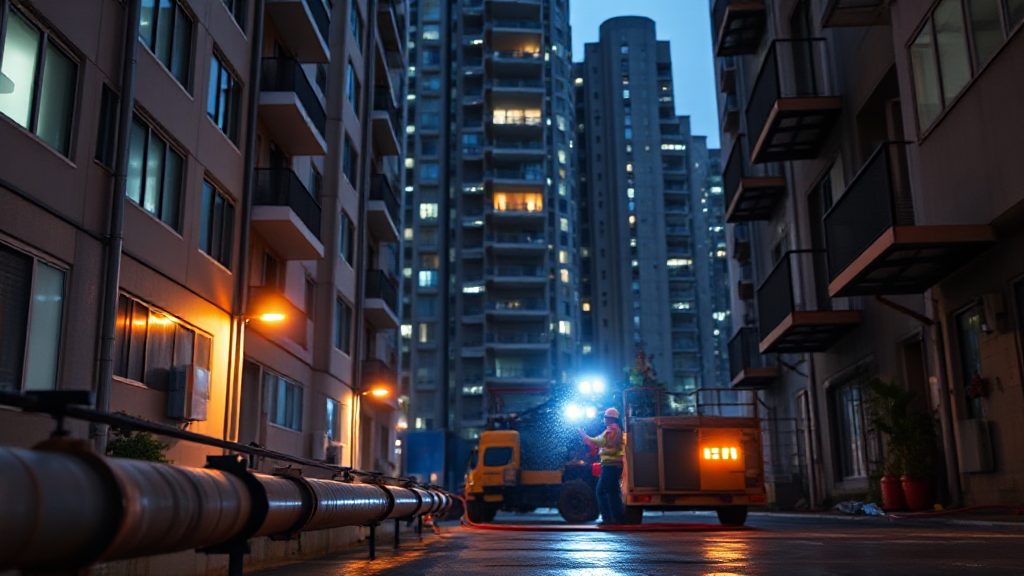
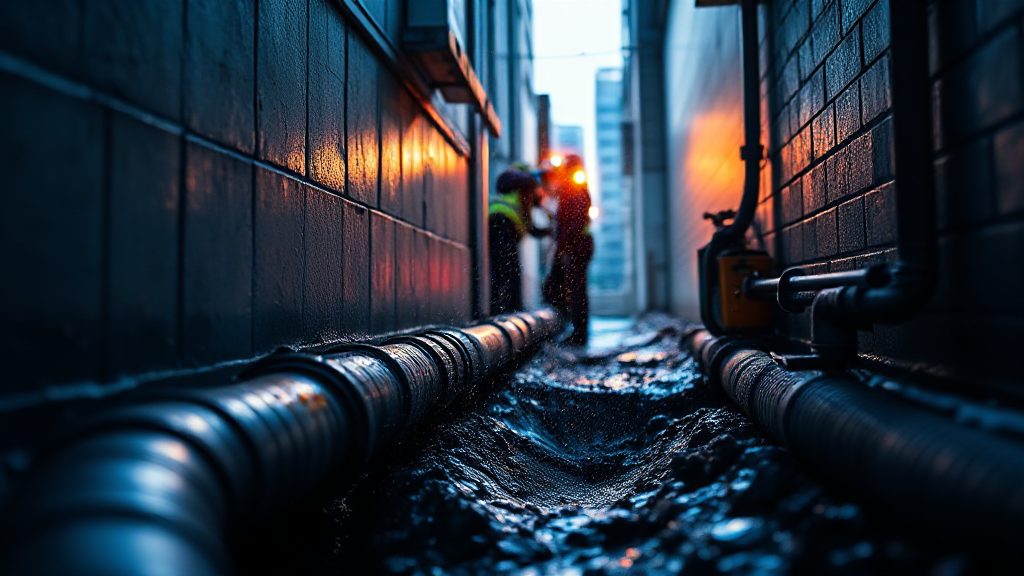
A standard visit starts with a visual check and a quick flow test. The technician then chooses between a manual auger, a rotating cable machine or hydrojetting. For a simple kitchen or bathroom branch, a cable machine is often enough. For a main line with grease, roots or scale, hydrojetting uses high-pressure water to scour the pipe wall rather than just punch a hole through the clog.
If the property has a septic tank or a grease trap, the crew checks the inlet and outlet before assuming the pipe is the problem. A full tank backs up exactly like a clog, and no amount of rodding will fix it. This is where a desentupidora Santana de Parnaíba with tank-cleaning equipment saves you a second call.
Comparing the common fixes: snaking, hydrojetting and tank cleaning
Most first-time callers ask which method is best. The honest answer is that each one fits a different situation, and the table below is how I explain the trade-offs in plain terms.
| Method | Best for | Typical limitation |
|---|---|---|
| Manual auger or cable | Local clogs in sinks, toilets and short branches | Does not clean grease or scale off the pipe wall |
| Hydrojetting | Main lines, grease buildup, roots and recurring backups | Needs access and a pipe in reasonable condition |
| Septic tank cleaning | Backups caused by a full tank or blocked inlet | Does not fix a broken pipe downstream |
In practice, the cheapest option is not always the one that ends the problem. A cable that clears a hole through grease buys you a few weeks; hydrojetting removes the layer that keeps catching debris. Ask what the technician found, not just whether the water drains now.
What a fair quote should include
Prices vary with access, pipe length and time of day, so any responsible company confirms the scope before starting. A clear quote names the service, the equipment, the access point and whether the work is inside the unit or in a common area. Emergency night or weekend calls usually carry a higher rate, and that should be stated up front.
Be wary of a price given before anyone sees the drain. A phone estimate is fine as a range, but the final number depends on what the camera or the cable finds. For condominium managers, the quote should also separate common-area work from private-unit work so the bill can be split correctly.
Mistakes that turn a small clog into a big repair
The most common mistake is repeated chemical use. Each dose may open a thin channel, but the residue hardens and the next clog arrives faster. The second is ignoring a slow drain for weeks; slow is the warning, and a full backup is the failure. The third is letting an unqualified handyman run a heavy cable through an old clay line, which can crack the pipe and turn a cleaning job into an excavation.
Another frequent issue is a missing or damaged cleanout cap. Without it, the crew has to open a fixture or cut into the line, which adds time and cost. If your property has one, keep it visible and accessible.
Preventing the next backup in Santana de Parnaíba
Once the line is clear, a few habits keep it that way. Never pour cooking oil down the kitchen sink; collect it in a jar and discard it. Use drain strainers in showers and laundry sinks. Have the main line checked every year or two if the building is older or has trees near the sewer run. For homes with a septic tank, schedule emptying before it reaches capacity rather than after the backup.
If your property is in a condominium, ask the manager when the last preventive hydrojetting was done. A shared line cleaned on schedule costs far less per unit than an emergency call at midnight.
My recommendation for a first-time caller
Do not wait for the water to reach the hallway. Stop using the affected fixtures, clear what you can see, and call a desentupidora Santana de Parnaíba SP that asks questions before quoting. A short conversation about which fixtures are backing up tells you whether you are facing a branch clog, a main-line blockage or a full tank — and that is the difference between a quick fix and a repeat visit next month.